
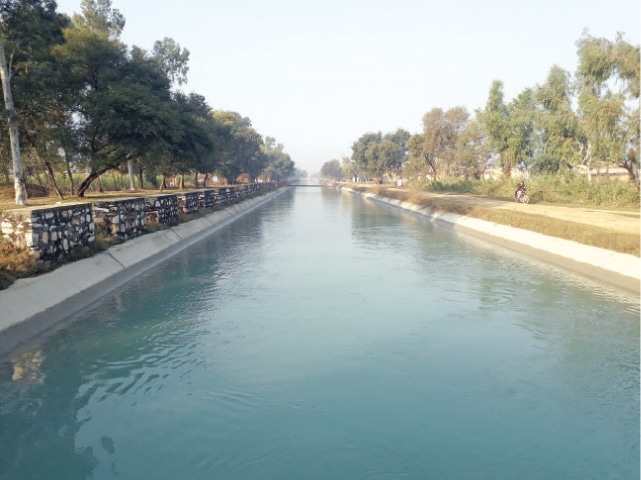
Pakistan’s Indus Basin Irrigation System (IBIS) stands as one of the world’s greatest engineering achievements and remains the largest contiguous irrigation network globally, playing a vital role in sustaining the country’s agriculture, economy, and food security.
Fed by the mighty Indus River and its five major tributaries, the irrigation system forms the backbone of Pakistan’s agricultural sector, delivering water across vast stretches of fertile farmland and supporting millions of livelihoods.
The extensive network consists of more than 58,500 kilometers of canals and approximately 1.6 million kilometers of farm channels, creating an intricate water distribution system that irrigates nearly 45 million acres of agricultural land. This massive infrastructure enables farmers to cultivate a wide variety of crops, including wheat, rice, cotton, sugarcane, fruits, and vegetables.
Often described as the lifeline of Pakistan’s agricultural economy, the Indus Basin Irrigation System supports a significant portion of the country’s food production and contributes substantially to national exports. Agriculture remains one of Pakistan’s most important economic sectors, employing millions of people and serving as a key source of income for rural communities.
Experts regard the irrigation network as a remarkable example of large-scale water management. Through an interconnected system of dams, barrages, canals, distributaries, and watercourses, water is transported from the northern river systems to agricultural regions across the country, ensuring year-round cultivation in areas that would otherwise face water scarcity.
The system’s origins date back to the colonial era, but it has expanded significantly over the decades to meet the growing demands of a rapidly increasing population and agricultural sector. Today, it remains one of the most important irrigation infrastructures in the world and a cornerstone of Pakistan’s food security framework.
Water management specialists emphasize that the continued modernization and maintenance of the irrigation network are crucial for addressing emerging challenges such as climate change, population growth, and increasing water demand. Investments in efficient irrigation practices, water conservation technologies, and infrastructure upgrades are expected to further enhance the system’s effectiveness in the coming years.
Beyond its agricultural significance, the Indus Basin Irrigation System also contributes to rural development, employment generation, and economic stability, making it one of Pakistan’s most valuable national assets.
As global concerns over water security continue to grow, Pakistan’s vast irrigation network serves as a powerful example of how strategic water management can transform landscapes, support food production, and sustain millions of lives.
The Indus Basin Irrigation System remains a symbol of innovation, resilience, and agricultural strength, continuing to nourish the nation and reinforce Pakistan’s position as an important agricultural economy.