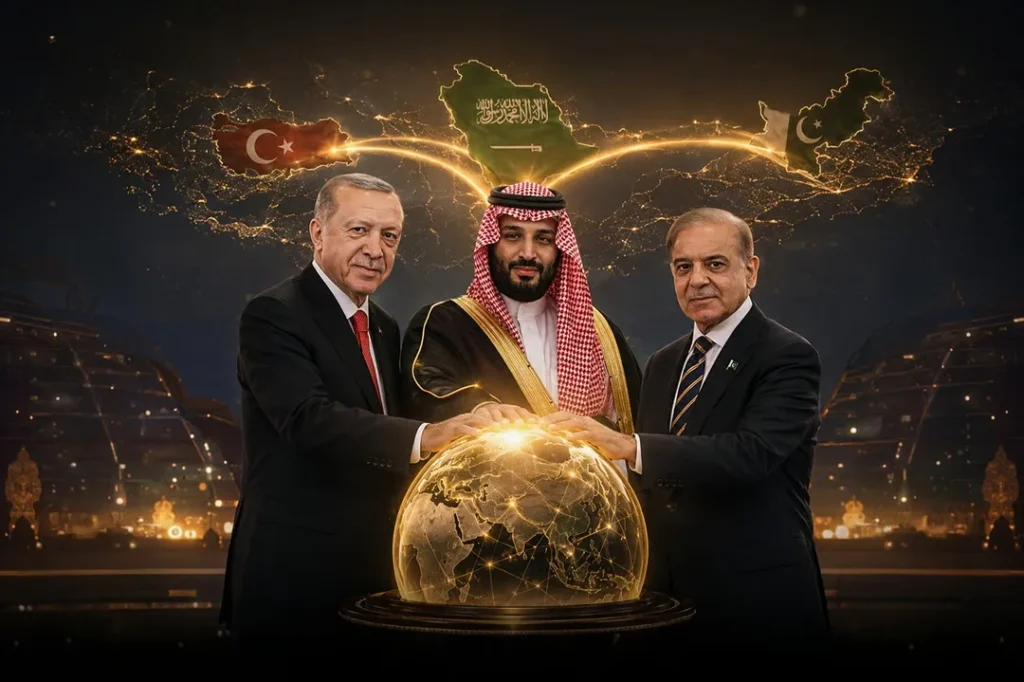
The evolving regional landscape, marked by closer cooperation between Pakistan, Saudi Arabia, and Türkiye, could create new opportunities for Pakistan’s young professionals across a range of emerging sectors, particularly tourism, hospitality, aviation, travel, and food services.
The Makkah Joint Defence Agreement between Pakistan, Saudi Arabia, and Türkiye reflects deeper regional engagement and cooperation among the three countries. While the agreement carries important strategic implications, the broader development of regional relationships could also influence economic activity, connectivity, tourism, investment, and workforce mobility.
As regional connections continue to expand, demand for professionally trained and internationally capable talent is expected to grow. Industries such as hospitality, tourism, aviation, travel, culinary services, and food businesses require skilled professionals who can work confidently in diverse international environments and meet modern industry standards.
For Pakistan, this changing environment presents an important opportunity to prepare its young workforce. With a large and increasingly ambitious youth population, investment in technical and vocational education can help bridge the gap between academic learning and the practical skills required by employers.
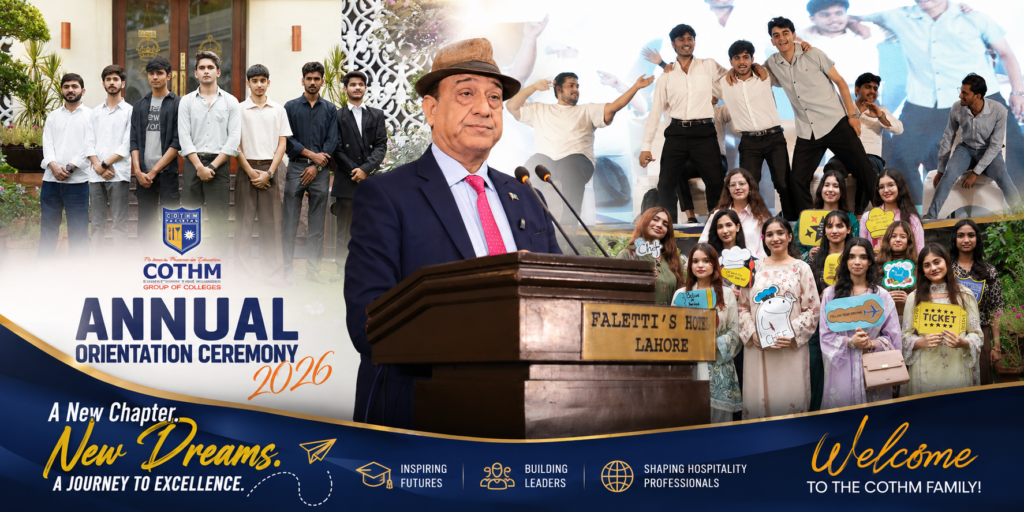
COTHM Pakistan is positioning skills development as an important part of preparing young Pakistanis for this evolving regional and global environment. Through education and practical training in hospitality management, culinary arts, baking and patisserie, tourism, aviation, food safety, and related professional disciplines, the institution aims to equip students with career-focused competencies.
The growing regional links between Pakistan, Saudi Arabia, and Türkiye may create opportunities for professionals who possess relevant technical expertise, communication abilities, cultural awareness, and international workplace skills. Well-trained graduates can potentially contribute to expanding tourism, hospitality, travel, aviation, and service industries while representing Pakistan in international workplaces.
The changing regional environment also highlights the importance of collaboration between education providers and industry. Stronger links between training institutions, employers, and international partners can help ensure that young people develop skills aligned with real workforce requirements.
For Pakistan’s youth, the message is clear: regional transformation can bring opportunities, but being prepared to benefit from those opportunities requires skills, confidence, professionalism, and continuous learning.
As the region moves toward greater connectivity and cooperation, Pakistan’s young people have an opportunity to become active participants in this new era. Institutions such as COTHM Pakistan continue to emphasize practical, industry-focused education to help prepare the next generation for a competitive and increasingly interconnected world.
The world is changing. Regional opportunities are growing. Pakistan’s youth must be ready to lead.