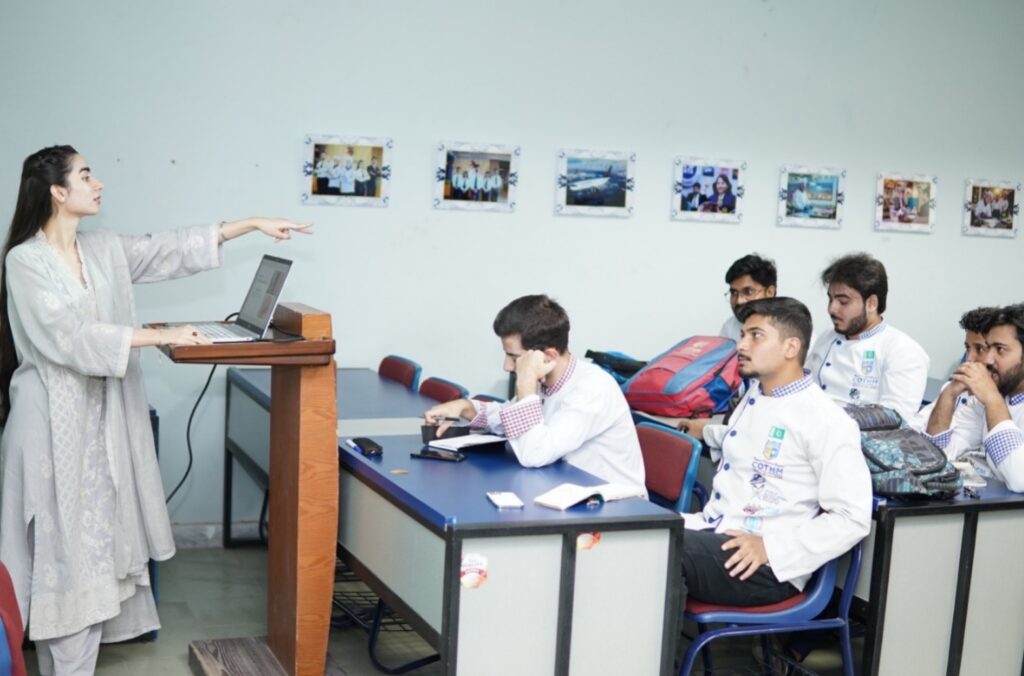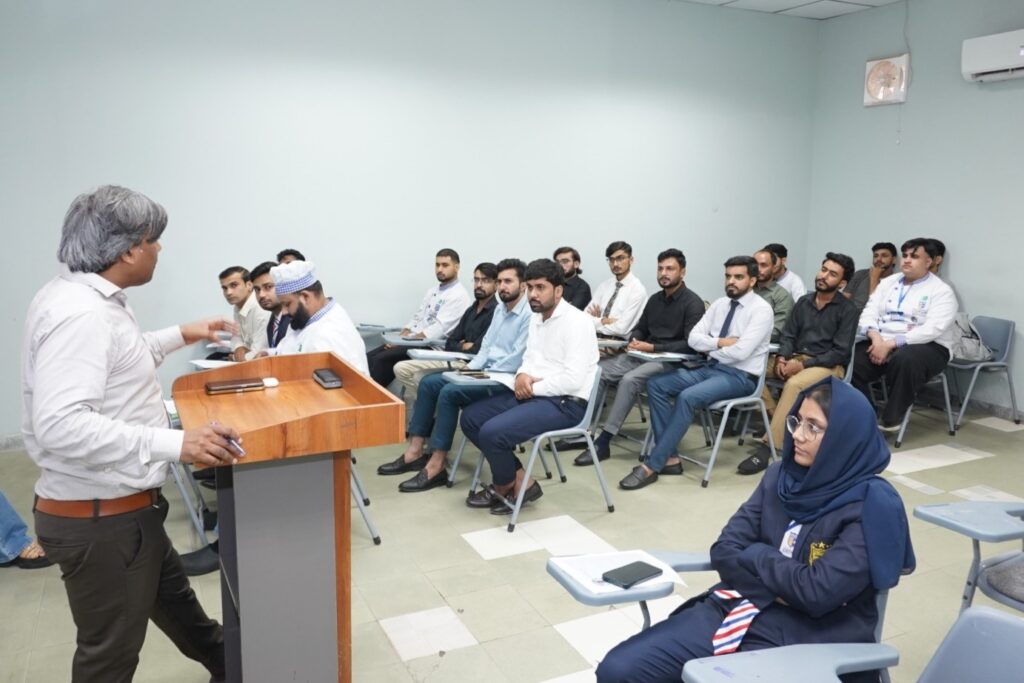
Day two of the six-day COTHM Job Readiness Program focused on communication, body language, confidence, spoken English, and public speaking, giving students practical tools to communicate more effectively in professional environments.
Conducted by the Communication Skills Trainer, the interactive session highlighted the importance of effective communication in the hospitality industry, where the way professionals speak, listen, respond, and interact can directly influence guest experiences and workplace relationships.
Students participated in practical guest-service conversations in English, allowing them to practise professional communication in situations they may encounter during their careers. The activities encouraged participants to focus not only on what they say, but also on clarity, tone, listening, and appropriate responses.
Body language was another major component of the session. Students explored the difference between effective and ineffective body language and learned how posture, facial expressions, gestures, eye contact, and overall presence can influence professional interactions.
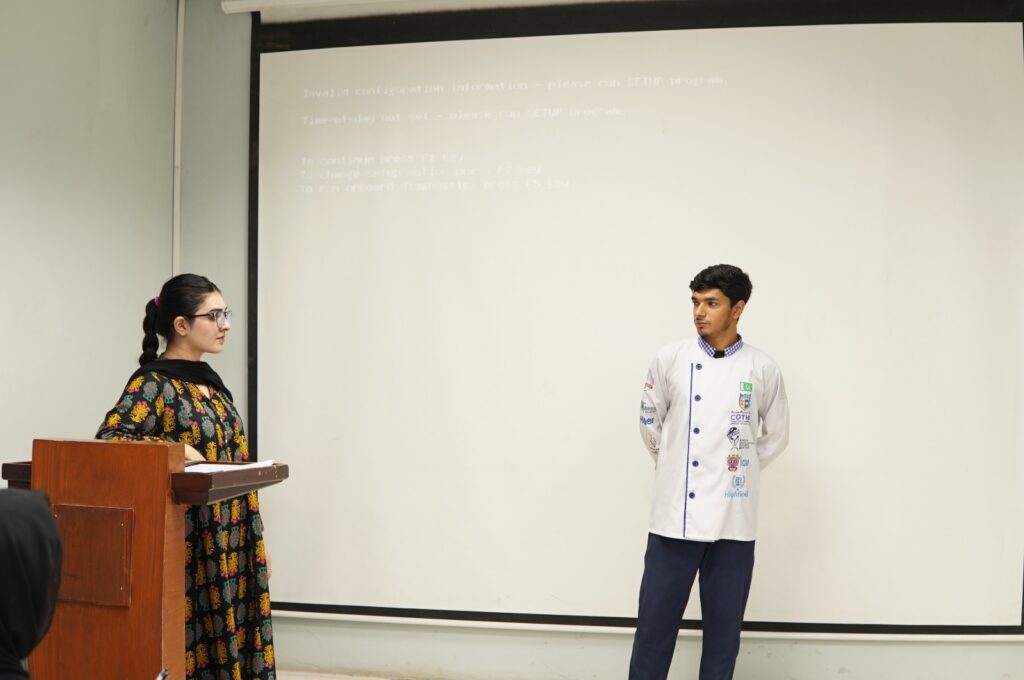
The program also encouraged students to overcome hesitation through short speaking activities. Participants delivered 30 to 60-second self-introductions, giving them an opportunity to present themselves with greater confidence and clarity. Spontaneous one-minute speaking activities further challenged students to organize their thoughts quickly and communicate without extensive preparation.
The highly practical approach helped students move beyond theoretical communication concepts and apply them in realistic professional situations. Through repeated practice and interactive exercises, participants became more aware of their communication habits and the role confidence plays in workplace performance.
For COTHM, communication skills are an essential part of preparing students for successful careers. Technical knowledge provides a foundation, but the ability to communicate professionally, understand others, demonstrate confidence, and build positive workplace relationships can significantly strengthen career readiness.
Day two therefore complemented the grooming and career-planning activities introduced on the opening day of the Job Readiness Program. Together, the sessions are helping students develop a broader understanding of what it means to be professionally prepared.
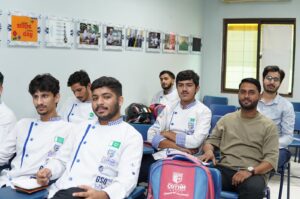
The session concluded with students gaining greater confidence in expressing themselves and a stronger awareness of how their verbal and non-verbal communication can shape professional interactions. The experience reinforced COTHM’s commitment to developing well-rounded, confident, and industry-ready professionals.
As the six-day program continues, COTHM students are gaining practical knowledge and professional skills designed to help them transition more confidently from the classroom into the workplace.