Pakistan’s agriculture sector has reached a major milestone in its transition to renewable energy, with solar power overtaking diesel as the country’s largest source of irrigation energy, according to findings from the 7th Agricultural Census 2024.
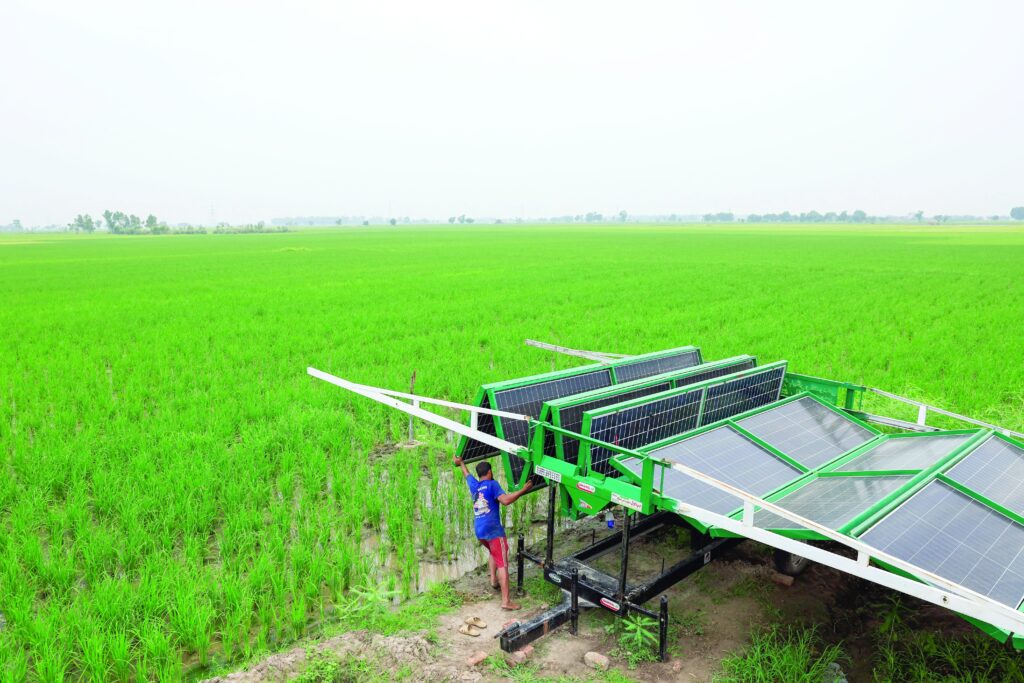
The census reveals that solar-powered tubewells and lift pumps now outnumber diesel-powered systems, marking a historic transformation in the way farmers irrigate their crops. The shift reflects the growing adoption of clean energy solutions across Pakistan’s farming communities.
According to the census, Pakistan now has approximately 1.29 million solar-powered irrigation systems, compared with 1.1 million diesel-powered and 830,000 electric-powered irrigation systems. The figures highlight the rapid expansion of solar technology in agriculture and its increasing role in supporting sustainable farming practices.
The transition to solar energy is helping farmers significantly reduce fuel costs, lessen dependence on imported diesel, and improve irrigation efficiency. By lowering operating expenses and providing a reliable source of power, solar-powered irrigation systems are enhancing farm productivity while making agriculture more cost-effective.
Experts believe the widespread adoption of solar-powered irrigation will strengthen Pakistan’s agricultural resilience, promote environmental sustainability, and contribute to the country’s broader renewable energy goals. The growing use of solar technology is also expected to reduce carbon emissions and improve long-term energy security in the agricultural sector.
The findings of the 7th Agricultural Census 2024 underscore Pakistan’s accelerating shift toward clean energy and highlight the country’s commitment to building a more sustainable and efficient agricultural economy.