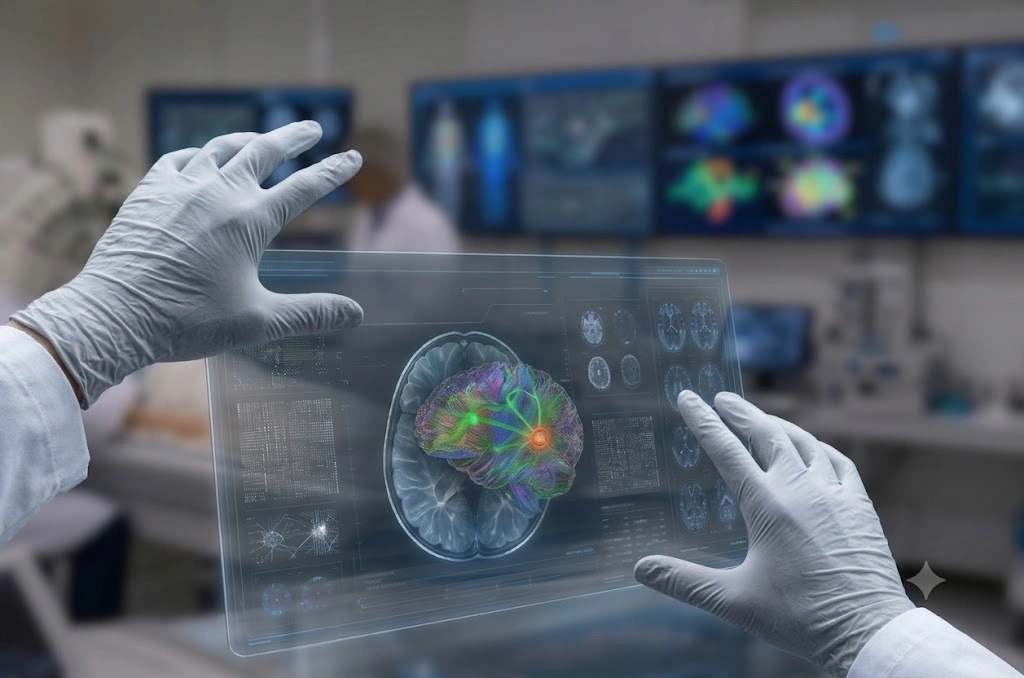
Pakistan is set to take a major step toward digital healthcare by introducing an artificial intelligence (AI)-powered diagnostic system in 1,110 public and private hospitals under the Prime Minister’s Health Card Programme.
The initiative is designed to strengthen healthcare services by supporting doctors with faster and more accurate diagnoses, improving early disease detection, and enhancing the overall quality of patient care across the country.
According to officials, the AI platform is expected to benefit nearly 200 million people, enabling healthcare professionals to make more informed clinical decisions while reducing the workload on hospitals and medical staff. By leveraging advanced data analysis and intelligent diagnostic tools, the system aims to improve the speed, accuracy, and efficiency of medical assessments.
The government says the project represents a significant milestone in Pakistan’s ongoing digital health transformation and reflects its commitment to integrating modern technologies into the healthcare system. The nationwide implementation is expected to make quality healthcare more accessible while improving treatment outcomes for patients.
Health experts believe artificial intelligence has the potential to revolutionize medical services by assisting physicians in identifying diseases at earlier stages, streamlining diagnostic processes, and supporting evidence-based clinical decision-making.
Officials added that the rollout of AI-powered healthcare solutions will contribute to building a smarter, more resilient healthcare system capable of meeting the growing medical needs of Pakistan’s population.
The initiative underscores Pakistan’s broader vision of embracing innovation and digital technologies to modernize public services and deliver more efficient, patient-centered healthcare nationwide.