In a landmark move aimed at reshaping the province’s economic landscape, the Punjab government has announced an ambitious tourism development strategy for FY 2026-27, positioning tourism as a key driver of economic growth, employment generation, and regional development.
At the heart of the initiative is the establishment of Punjab’s first-ever Tourism Authority, a major institutional reform designed to streamline tourism planning, attract investment, and accelerate the development of world-class destinations across the province.
Under the comprehensive strategy, the government plans to mobilize up to Rs. 471 billion in public and private sector investment, with a vision to attract between 18 million and 30 million tourists annually and generate as much as Rs. 450 billion in economic activity.
Tourism experts have described the initiative as one of the most ambitious tourism development programs ever launched in Punjab, reflecting the province’s determination to unlock the full potential of its cultural, religious, historical, and natural assets.
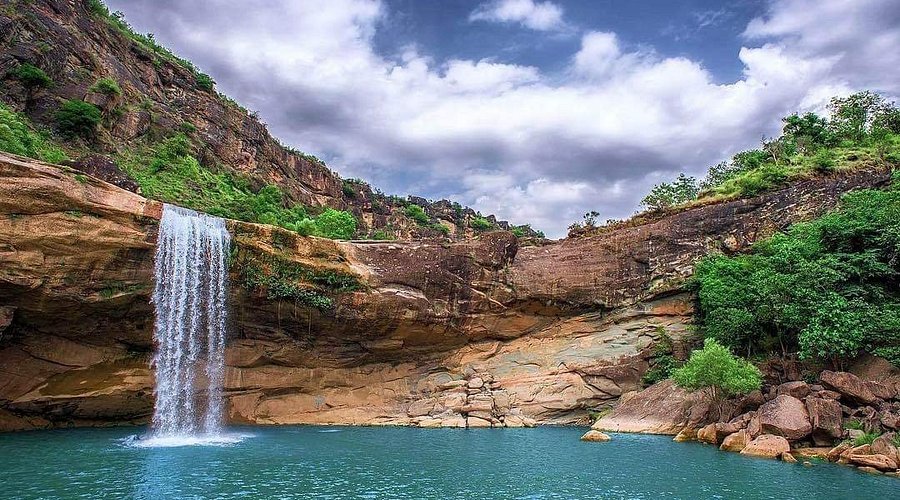
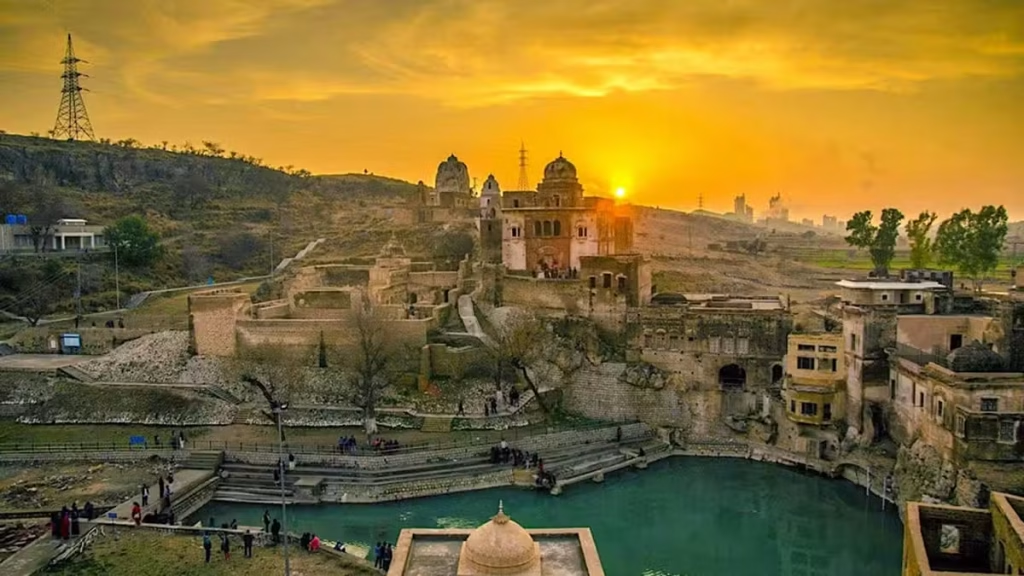
A central feature of the strategy is the development of eight major tourism circuits, each designed to showcase a unique aspect of Punjab’s rich heritage and diverse attractions. These include the Lahore Circuit, Religious Tourism Circuit, Potohar Circuit, Salt Range Circuit, Cholistan Circuit, South Punjab Circuit, Eco-Tourism Circuit, and Heritage Tourism Circuit.
The government plans significant investments in destination development, tourism infrastructure, heritage conservation, eco-tourism initiatives, and visitor facilities to enhance the overall tourist experience and strengthen Punjab’s competitiveness as a travel destination.
Among the flagship projects announced under the strategy are the Rs. 31 billion Lahore Heritage Project, aimed at preserving and revitalizing historic landmarks across the provincial capital, and the Rs. 20 billion Religious Trail Punjab Project, which seeks to promote faith-based tourism by connecting important religious and cultural sites.
Additional initiatives include the Rs. 12 billion Lahore Heritage Revival Programme Phase-II and the Rs. 4 billion restoration and renovation of the historic Taxila heritage site, one of South Asia’s most significant archaeological treasures.
Beyond infrastructure and conservation, the strategy places strong emphasis on human resource development. To prepare a skilled workforce for the expanding tourism sector, the government has launched a Tourism Internship Program that will provide 1,000 young graduates with professional training, practical experience, and industry exposure.
Officials believe the initiative will help bridge the gap between education and employment while creating a pipeline of trained professionals capable of supporting the province’s rapidly growing tourism industry.
Industry stakeholders have welcomed the announcement, noting that tourism possesses the potential to stimulate economic activity across multiple sectors, including hospitality, transportation, retail, culture, entertainment, and small businesses. The strategy is also expected to create thousands of direct and indirect employment opportunities while encouraging domestic and international investment.
The new tourism vision reflects Punjab’s broader ambition to emerge as a leading destination for cultural, heritage, religious, culinary, and eco-tourism. By combining infrastructure development, heritage preservation, workforce training, and strategic investment, the province aims to establish itself as a major tourism hub in South Asia.
As implementation begins, the initiative is expected to play a transformative role in showcasing Punjab’s rich history, vibrant culture, and diverse landscapes to millions of visitors from Pakistan and around the world