Hotel investment activity across the Gulf is facing a more cautious outlook as geopolitical uncertainty, disrupted travel patterns and changing asset valuations reshape decisions by owners, developers and investors.
The impact of the 2026 US-Iran conflict has been particularly visible in the GCC hospitality sector. A survey by HVS covering hotel owners, developers and investors representing around 160,000 branded rooms found that the conflict created immediate pressure on aviation, traveller confidence, hotel performance and investment activity. Although conditions have begun to stabilise, investors remain cautious and increasingly selective.
Hotel transactions have also been affected by differences between buyers and sellers over valuations. Recent industry analysis indicates that several Gulf hotel deals have stalled because sellers are reluctant to accept lower valuations while buyers are reassessing the earnings and recovery prospects of properties following the conflict. The slowdown does not necessarily indicate widespread distressed selling, but it has made negotiations more complex and extended transaction timelines.
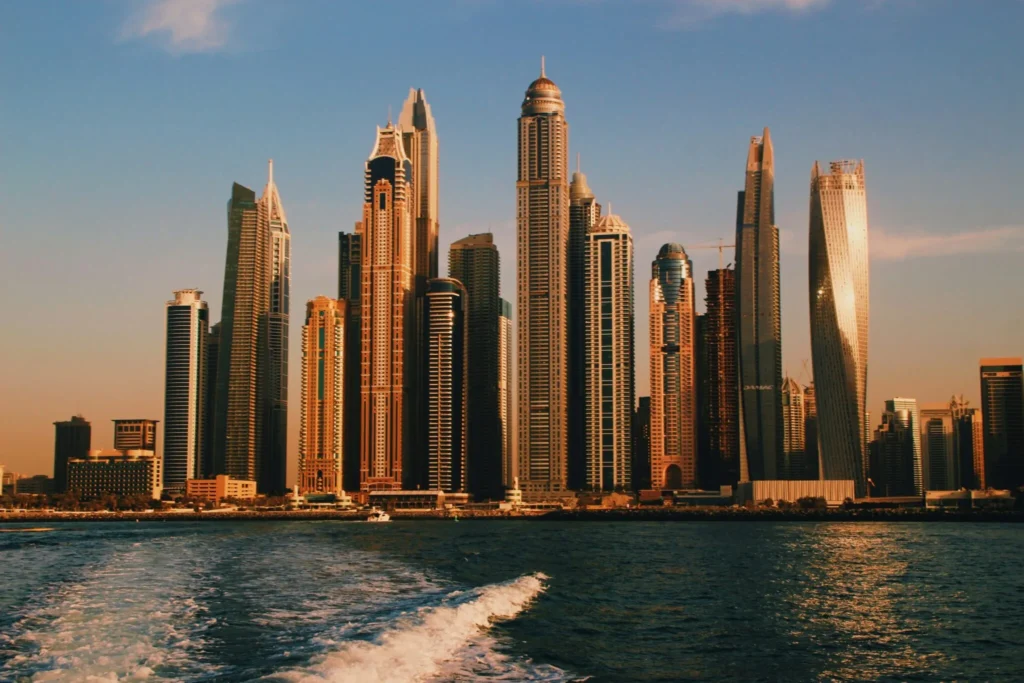
The UAE has experienced a significant impact. JLL reported that UAE-wide hotel RevPAR declined 31.8% year-to-date through June 2026, while regional tensions contributed to weaker international arrivals. No new hotels opened in Dubai or Abu Dhabi during the second quarter, with some completions being pushed back as operators focused on existing properties and waited for demand to recover.
Dubai’s hotel sector, however, has shown signs of recovery. Emaar reported that hotel occupancy had recovered to around 60% after falling to approximately 20–25% during the conflict. The company expects occupancy to return towards its pre-war level of 83% within a year if international flights and travel conditions continue to improve.
The wider Gulf market is not experiencing the same level of pressure everywhere. Saudi Arabia has remained relatively resilient, supported by strong domestic and regional demand. CoStar noted that markets such as Riyadh and Jeddah have been less affected by the conflict, although increasing hotel supply is creating its own competitive pressure. More than 2,300 new rooms are expected in Jeddah, adding to concerns about future hotel performance.
The effects are also visible in hotel company performance. Bahrain-based Gulf Hotels Group reported a 31% decline in revenue during the first six months of 2026, while net profit fell 46%. The company attributed the decline primarily to regional geopolitical tensions, which affected air connectivity, travel activity and the broader tourism sector.
Despite the slowdown, investors have not abandoned the Gulf hospitality market. Long-term confidence remains supported by tourism development programmes, infrastructure investment, domestic travel and the region’s growing role as an international business and leisure destination. Investors are increasingly focusing on assets with strong domestic demand, resilient cash flows and clearer recovery prospects.
The changing investment environment is therefore pushing Gulf hospitality towards a more selective phase. Rather than relying solely on rapid hotel development and rising international arrivals, investors are placing greater emphasis on asset quality, location, operating resilience, realistic valuations and the ability to withstand future disruptions.
For the Gulf’s hospitality industry, the current period may ultimately lead to a more disciplined investment market, where projects with strong fundamentals continue to attract capital while speculative developments face greater scrutiny.