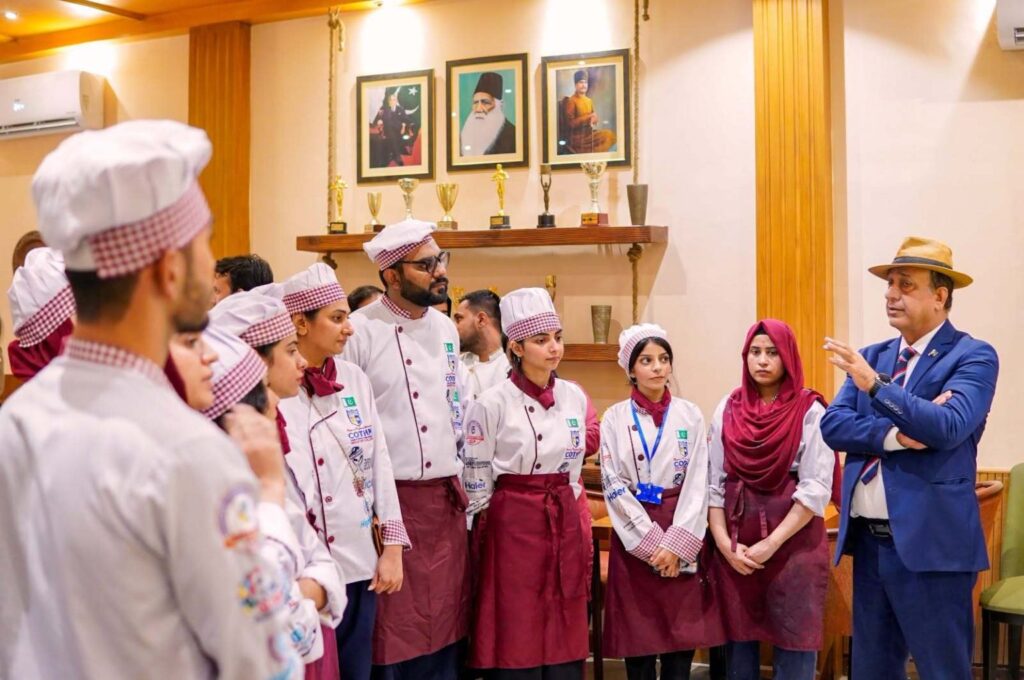
For Ahmad Shafiq, the founder of COTHM, hospitality education represents more than academic qualifications. It is a pathway to creating economic opportunities through professional skills and preparing Pakistani talent for careers in international markets.
Since establishing COTHM in 2002, Ahmad Shafiq has focused on developing professionals for Pakistan’s hospitality, tourism, culinary, travel, and aviation sectors, while creating pathways for graduates to pursue opportunities both locally and internationally.
Skills as an Economic Asset
The international mobility of skilled Pakistani professionals presents an important opportunity for the national economy. A chef working in Dubai, a hotel professional in Saudi Arabia, or a hospitality specialist building a career in Europe can contribute to Pakistan through overseas earnings and remittance flows.
At a COTHM convocation, Ahmad Shafiq highlighted the potential of skilled youth to contribute to the country’s economic strength through international employment and foreign remittances.
This perspective places professional education within a broader economic framework, where skills development can support both individual career growth and national economic opportunities.
Preparing Pakistani Talent for Global Demand
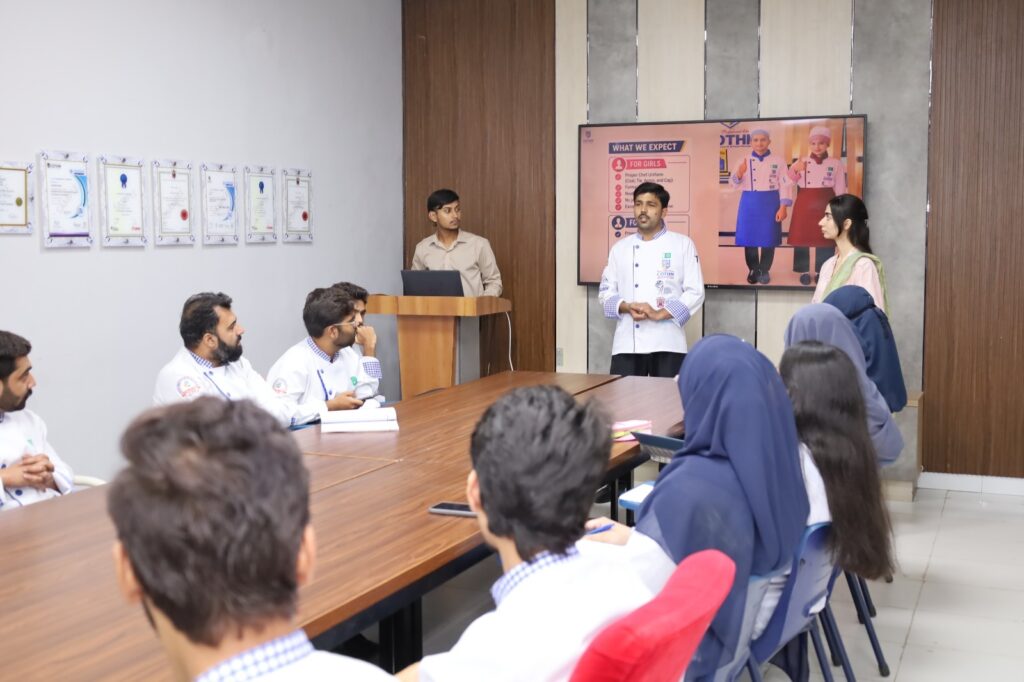
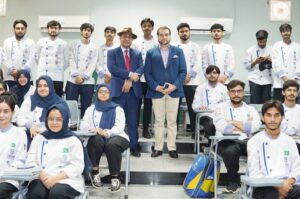
COTHM offers professional programmes across areas including Hospitality Management, Culinary Arts, Baking & Patisserie, Travel & Tourism, Airline Management, Food Safety, and related hospitality disciplines.
Through practical education, industry exposure, professional training, and international career pathways, the institution aims to prepare graduates for opportunities across hotels, restaurants, airlines, tourism organizations, cruise lines, and other international hospitality businesses.
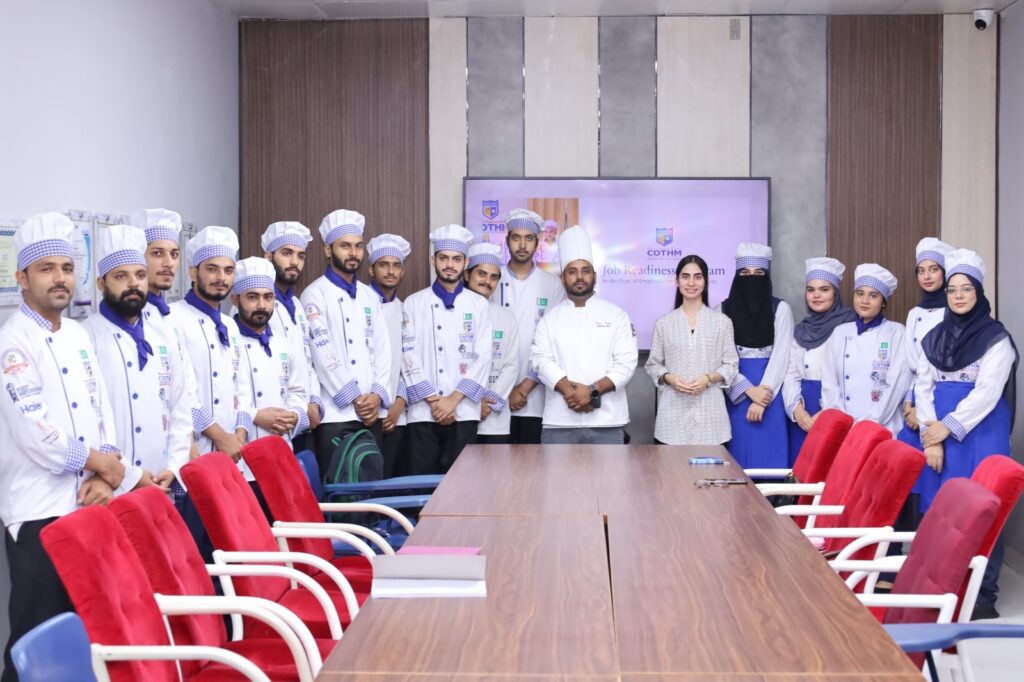
With a growing alumni community of more than 100,000 professionals, COTHM’s educational reach extends beyond classrooms and campuses, connecting Pakistani talent with opportunities in an increasingly global hospitality industry.

From Brain Drain to Skills Export
Ahmad Shafiq’s vision offers a different perspective on overseas employment. Skilled migration can be viewed not only as the movement of talent abroad but also as an opportunity for Pakistan to showcase its professional capabilities on the global stage.
When trained Pakistani professionals succeed internationally, they represent the skills, discipline, creativity, and professionalism developed through their education and experience.
For Pakistan, this creates a broader opportunity to position skills and human talent as an important form of export.
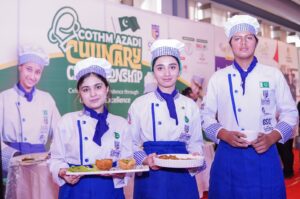
Hospitality, tourism, culinary arts, and aviation are among the industries where professional skills are highly transferable across borders. With the right education and training, Pakistani youth can compete for these global opportunities while contributing to their families and the national economy.
Ahmad Shafiq’s journey with COTHM reflects a larger proposition: Pakistan has the talent to export skills, professionalism, and expertise to the world.