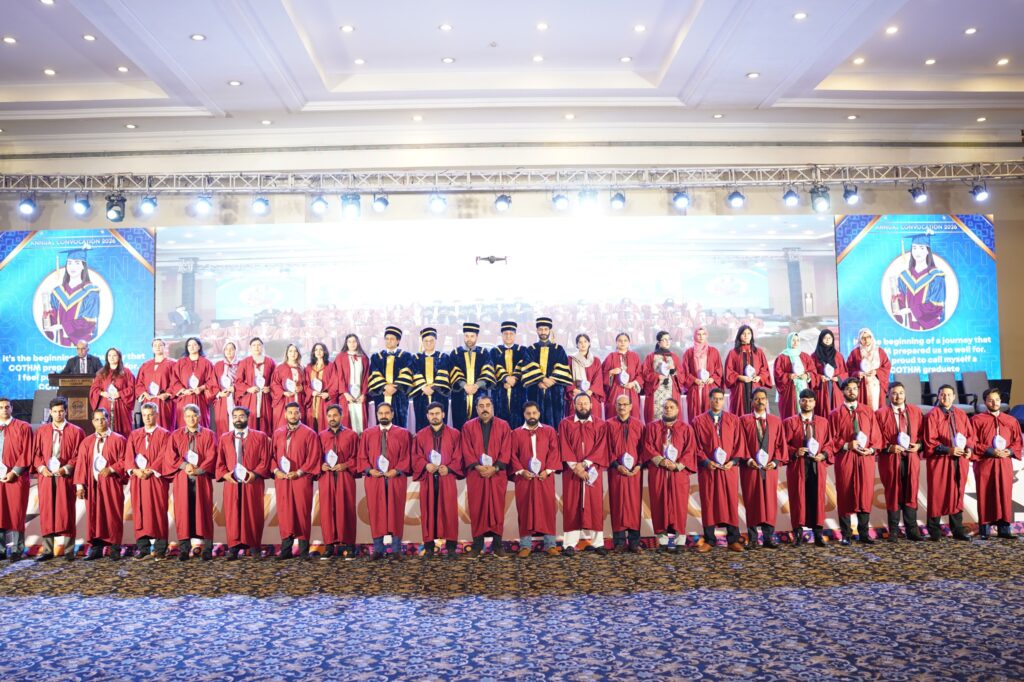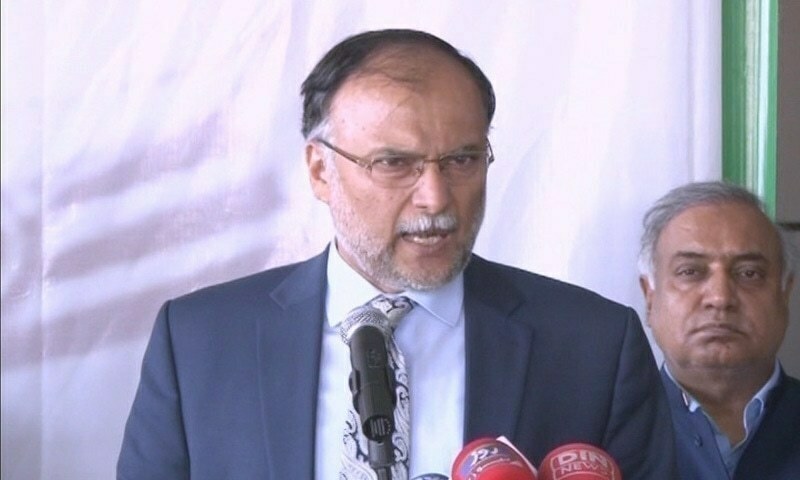
In a significant move aimed at transforming Pakistan’s higher education landscape, Ahsan Iqbal has directed the Higher Education Commission (HEC) to undertake a comprehensive review of university degree programs to ensure graduates are equipped with the skills needed in a rapidly evolving, technology-driven global economy.
The directive reflects the government’s growing focus on bridging the gap between academia and industry while preparing Pakistan’s youth for emerging opportunities in fields shaped by artificial intelligence, digital transformation, and technological innovation.
Speaking on the future of higher education, the minister emphasized that traditional academic qualifications alone are no longer sufficient to guarantee employment in an increasingly competitive global marketplace. He stressed the need for universities to produce graduates who are not only academically qualified but also possess practical, industry-relevant skills that can contribute to national development and economic growth.
Under the proposed reforms, HEC has been tasked with evaluating degree programs based on employability, market demand, economic relevance, and alignment with future workforce requirements. Programs that demonstrate strong industry value may be modernized and strengthened, while disciplines with limited relevance to emerging economic needs could face restructuring or gradual phase-out.
A dedicated task force will work on redesigning academic curricula to meet the demands of the Fourth Industrial Revolution. The initiative seeks to promote high-growth sectors including artificial intelligence, data science, robotics, cybersecurity, biotechnology, renewable energy, and other innovation-driven industries that are expected to shape the future global economy.
The reforms also envision integrating digital literacy, entrepreneurship, critical thinking, problem-solving, and innovation into university education across multiple disciplines. Education experts have long argued that these competencies are essential for preparing graduates to adapt to changing workplace environments and technological advancements.
The initiative forms part of the broader URAAN Pakistan vision, which aims to enhance national competitiveness through human capital development, technological advancement, and knowledge-based economic growth. By aligning educational outcomes with labor market demands, policymakers hope to improve graduate employability while addressing skill shortages in critical sectors.
Experts believe the proposed changes could help universities become more responsive to industry trends and better position Pakistan’s workforce for future challenges and opportunities. They also argue that stronger collaboration between academia, industry, and policymakers will be crucial for ensuring the success of these reforms.
As countries worldwide increasingly invest in emerging technologies and innovation ecosystems, Pakistan’s efforts to modernize higher education reflect a recognition that future economic success will depend largely on the skills, adaptability, and creativity of its young population.
If successfully implemented, the reforms could mark one of the most significant transformations in Pakistan’s higher education system in recent years, helping create a generation of graduates equipped to compete and thrive in the digital age.