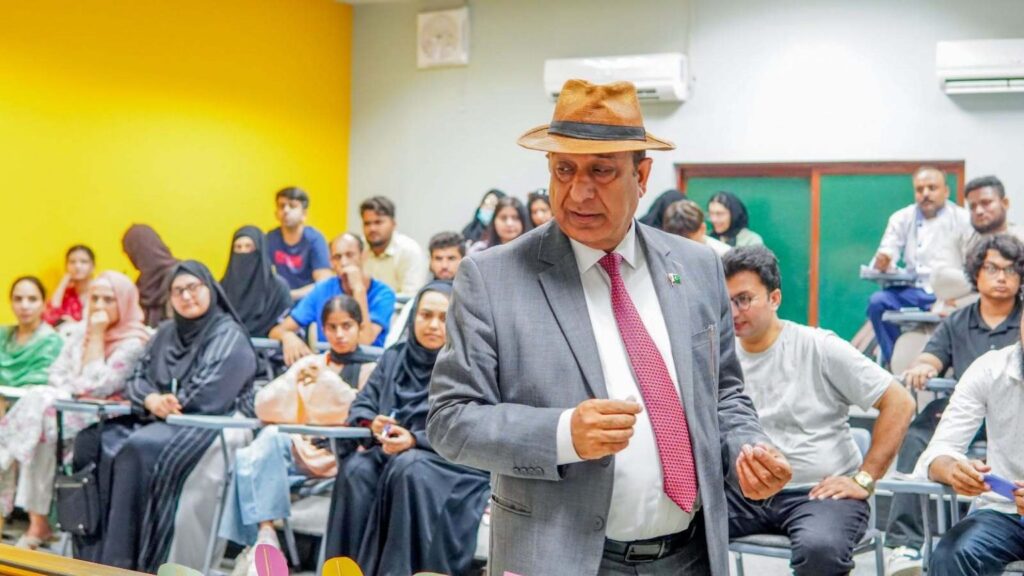
When Ahmad Shafiq returned to Pakistan from the United Kingdom in 2002, he identified a significant gap in the country’s education landscape: professional hospitality and tourism education had received limited attention despite the sector’s growing potential.
Rather than simply recognizing the challenge, Ahmad Shafiq chose to build a solution. His vision led to the establishment of the first College of Tourism & Hotel Management (COTHM) campus on M.M. Alam Road, Lahore, in 2002. According to COTHM’s official history, the institution began with just 13 students, marking the beginning of a journey that would eventually develop into a large hospitality and tourism education network.
What started as a small educational initiative gradually expanded across Pakistan and beyond. COTHM developed programs in hospitality management, culinary arts, baking and patisserie, travel and tourism, airline management, food safety, nutrition, and other specialized fields, creating pathways for students seeking professional careers in Pakistan’s growing service economy.
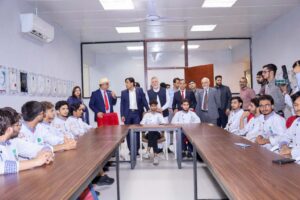
At the heart of Ahmad Shafiq’s approach has been the belief that education should go beyond classrooms and textbooks. COTHM has focused on combining academic learning with practical training, professional skills, industry exposure, employability preparation, and internationally relevant qualifications.
This skills-focused model has enabled thousands of students to develop competencies required by hotels, restaurants, cafés, airlines, tourism organizations, food businesses, and other hospitality-related industries.
The scale of this journey has continued to grow. In 2025, Ahmad Shafiq stated that COTHM had delivered 75,000 skilled professionals to the industry, with another 20,000 preparing to enter and contribute to the sector. COTHM’s current platforms now report an alumni community exceeding 100,000, reflecting the institution’s expanding educational footprint.
From Pakistan to the Global Hospitality Industry
Ahmad Shafiq’s vision has never been limited to producing graduates for the local employment market. The broader objective has been to prepare Pakistani professionals to compete in an increasingly interconnected global hospitality industry.
As international tourism, hospitality, aviation, food services, and travel continue to create new career pathways, professionally trained talent is becoming increasingly important. COTHM’s emphasis on practical education and industry-oriented training seeks to position its students for opportunities both within Pakistan and internationally.
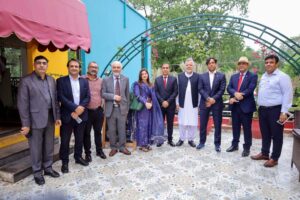
The institution has also developed stronger connections with industry, employers, international partners, and professional organizations, helping students gain exposure to real-world workplace expectations.
For Ahmad Shafiq, the journey from 13 students in Lahore to a growing international education network represents more than institutional expansion. It reflects a long-term commitment to transforming hospitality education into a recognized pathway for skills development, professional careers, entrepreneurship, and global opportunities.
The story of COTHM demonstrates how a focused educational vision can grow over time when supported by innovation, practical learning, industry collaboration, and a commitment to developing people.
From a single campus and a first batch of 13 students, the journey has evolved into a wider educational movement connecting Pakistani talent with opportunities in the hospitality and tourism industries.
Ahmad Shafiq’s journey stands as an example of how one vision, when translated into action, can create opportunities for generations of young professionals.