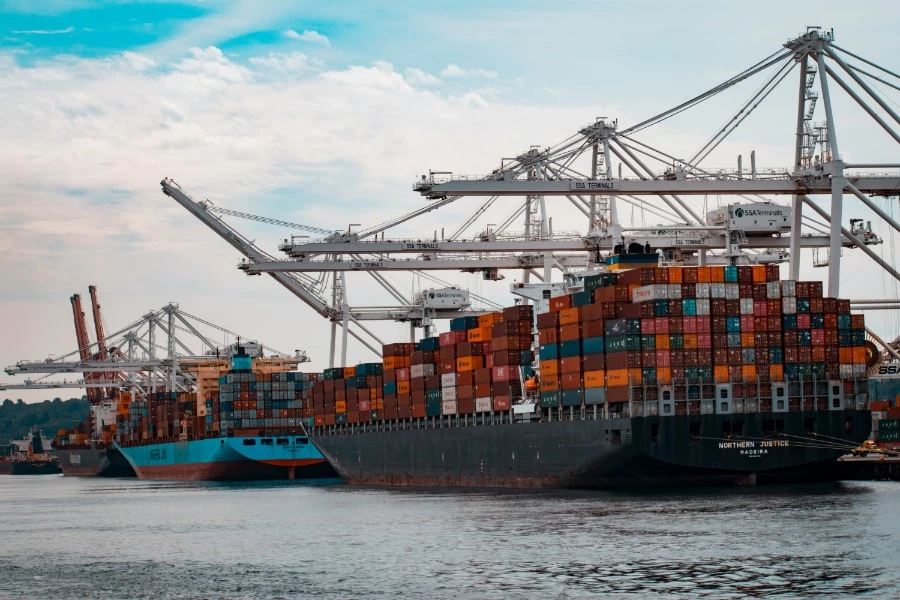
The federal government is preparing a major overhaul of Pakistan’s import tariff structure under the proposed National Tariff Policy 2025–30, with plans to reduce import taxes by up to 50 percent over the next five years to stimulate trade, attract investment, and strengthen the country’s economic competitiveness.
According to the proposed policy, customs duties, regulatory duties, and additional customs duties will be reduced in phases, creating a simpler and more business-friendly tariff regime. If approved, the reforms would significantly lower the country’s average tariff rate while capping the maximum customs duty at 15 percent.
The initiative is designed to reduce the cost of imported raw materials, machinery, and industrial inputs, making it easier for businesses to expand production, improve efficiency, and compete in both domestic and international markets. Officials believe the policy will also encourage exports by lowering production costs for local manufacturers.
While the proposed tariff reductions are expected to result in a short-term decline in government revenue, policymakers argue that the long-term economic benefits will outweigh the initial fiscal impact. Increased trade volumes, higher industrial activity, stronger private-sector investment, and greater economic productivity are expected to generate sustainable growth over time.
Economists suggest that a more competitive tariff structure could improve Pakistan’s business environment by reducing the cost of doing business, encouraging foreign direct investment, and integrating the country’s economy more effectively into regional and global supply chains.
The National Tariff Policy 2025–30 also reflects the government’s broader agenda of modernizing trade policy, simplifying customs procedures, and creating a predictable investment climate that supports industrial development and economic diversification.
If implemented, the reforms would mark one of Pakistan’s most significant trade policy changes in recent years, with the potential to reshape the country’s import regime and strengthen long-term economic growth.