Pakistan has assumed the chairmanship of the Economic Cooperation Organization (ECO) for 2026–2027, marking an important opportunity to strengthen regional cooperation, economic integration, tourism development and connectivity among member countries.
Under the theme “Reviving Regionalism for a Resilient ECO,” Pakistan aims to advance regional partnerships and promote practical initiatives in trade, investment, transport, energy, digital development and sustainable economic growth. The chairmanship reflects Pakistan’s commitment to strengthening ECO as a platform for regional collaboration and shared prosperity.
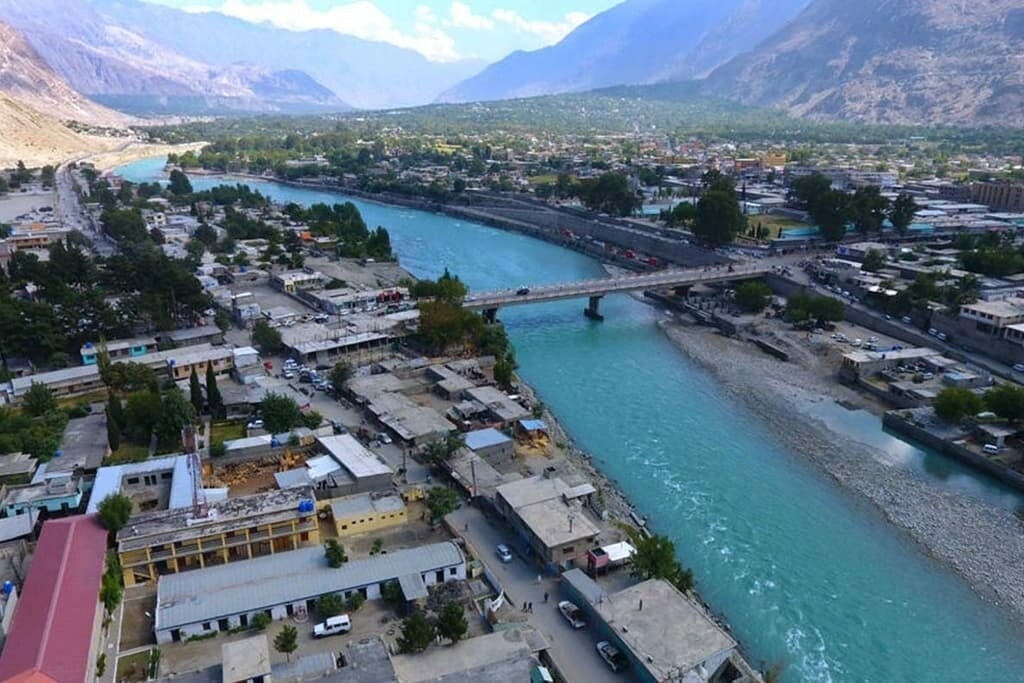
The development carries particular significance for the tourism, travel and hospitality industries. The ECO region brings together countries with diverse cultural identities, historical landmarks, natural landscapes and tourism resources. Stronger regional cooperation could create opportunities for cross-border tourism, improved travel connectivity, cultural exchange and investment in hospitality infrastructure.
Pakistan’s geographical position also offers considerable potential to connect Central Asian markets with South Asia and international trade routes through its major ports, including Karachi, Port Qasim and Gwadar. Improved transport networks and transit facilities could support the movement of tourists, business travellers and international visitors across the region.
Tourism has also received special attention during Pakistan’s ECO leadership. The designation of Lahore as the ECO Tourism Capital for 2027 provides an additional opportunity to showcase Pakistan’s cultural heritage, historic architecture, traditional cuisine, hospitality and tourism potential to international audiences.
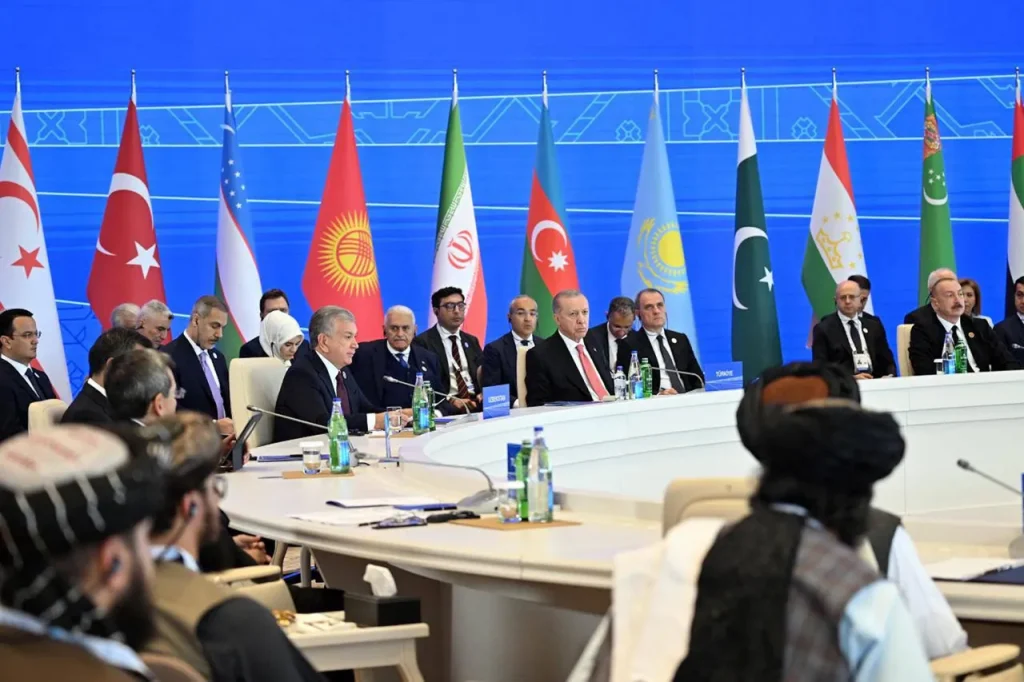
The ECO Council of Ministers’ 30th meeting, held in Islamabad in November 2026, further advanced the regional agenda through the adoption of the Islamabad Communiqué and the Strategic Goals of Economic Cooperation 2026–2035. Pakistan has also reaffirmed its commitment to hosting the ECO Summit in 2027.
For Pakistan’s hospitality and tourism sector, the chairmanship presents opportunities to strengthen international partnerships, attract tourism investment, promote regional travel experiences and introduce the country’s cultural and culinary heritage to a wider audience.
As Pakistan leads the organisation during 2026–2027, the focus will be on translating regional aspirations into practical cooperation, creating stronger economic connections and building a more integrated and resilient ECO region.